
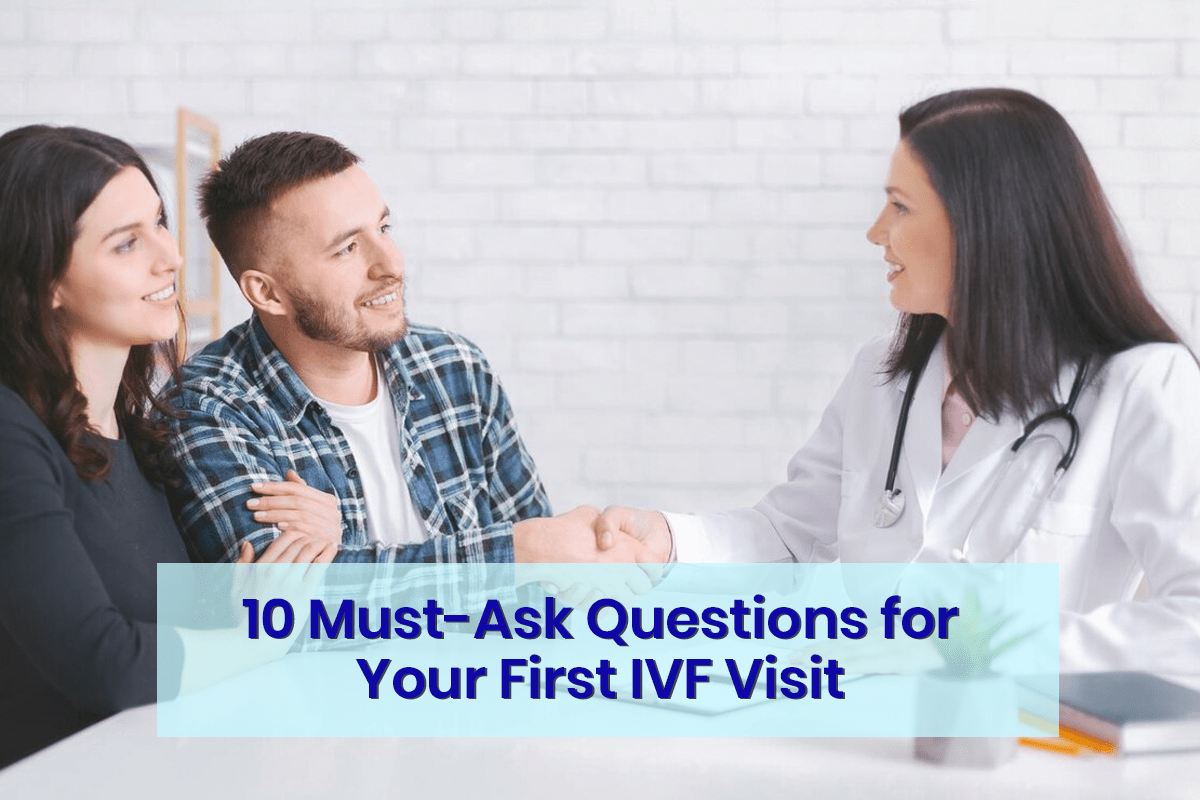
10 Important Questions You Must Ask on Your First IVF Consultation

Starting your fertility journey is a big step, and it’s completely okay to feel a little overwhelmed.
The clinic and fertility specialist you choose have a big role to play in the journey you have set out on. “Choosing a credible IVF specialist in Mumbai is essential—but just as important is asking the right questions so you feel confident at every step of the journey.”
“Like with any medical treatment, the more clarity you have during your IVF journey, the more relaxed and in control you’ll feel, which in turn helps you make informed, confident choices.”
Your first visit to a fertility clinic can feel nerve-wracking, but just know- it’s perfectly normal. To help you get started on the right foot, we’ve put together a list of important questions to ask your doctor.
Q. 1 What Happens During A Typical IVF Cycle?
Start with the basics! Even though you might have probably read up on it, hearing about it directly from your IVF doctor can give you clarity and help you feel more in control. Most of the steps remain the same, such as hormone injections, egg retrieval, fertilization in a lab, and embryo transfer. However, some clinics can have their own protocols around the treatment, which is important for you to know.
Q2. Do I Really Need IVF?
You should absolutely ask this! IVF isn’t always the only path to pregnancy. Sometimes, lifestyle changes, timed intercourse, medications, or IUI might be better suited. A lot depends on your age, fertility tests, and medical history. This question is important because it opens up a discussion about your specific case. It also ensures you’re not jumping into a complex treatment if simpler alternatives might work first.
Q3. What Tests Need To Be Done Before Starting IVF Treatment?
Another great question because knowing your fertility baseline helps the doctor tailor your treatment. You’ll likely need hormone level tests and ultrasounds to assess ovarian reserve, and your partner might need a semen analysis. Tests for infections and general health check-ups are also the norm. Asking this early helps avoid delays and gives your doctor all the necessary data to personalize your IVF plan.
Q4. What Are Your Clinic’s IVF Success Rates?
Success rates may differ widely based on age, diagnosis, and even the clinic’s expertise. This question shows you’re being proactive but also realistic. Make sure they share success rates specific to your age group, not just general numbers. It’s a great way to judge the clinic’s transparency and how comfortable you feel trusting them with your journey ahead.
Q5. How Long is The IVF Process Expected to Take From Start to Finish?
This is one of the most practical questions you can ask! IVF is not an overnight process. From the first consultation to the embryo transfer and pregnancy test, a single cycle typically takes around 6–8 weeks. Knowing the timeline from your doctor helps you plan time off work, mentally prepare, and manage your expectations.
Q6. What Type of Lifestyle Changes Must I Make Before Starting My IVF Cycle?
It’s a smart choice to start preparing your body before beginning IVF treatment. Doctors usually recommend a healthy diet, regular moderate exercise, quitting smoking and alcohol, and managing stress. You may also need to cut back on caffeine or adjust certain medications. Asking about this helps you take control of your body and can improve your chances of success.
Q7. Should I Get A Genetic Test For My Embryo?
Genetic testing (PGT) can help detect embryos with normal chromosomes, especially if you’ve had multiple miscarriages, failed IVF, or are over 35. It can increase your chances of a healthy pregnancy. It’s not for everyone, though, so your fertility doctor can help weigh the pros and cons based on your medical history.
Q8. Is It Safe To Exercise during an IVF cycle?
Gentle exercise is usually safe during IVF, but this is definitely a question worth asking your doctor personally. Why? Because your body is going through hormone treatments that can affect your ovaries, energy levels, and overall comfort. What’s safe for one person might not be ideal for another. Your doctor can help you find the right balance!
Q9. What Is The Reason Behind My Previous Miscarriage?
This can be a tough question to ask, but it is extremely critical. Pregnancy loss can be due to egg quality, embryo issues, uterine factors, or some unexplained reasons. Understanding what happened gives both you and your doctor insight into what to be extra careful of the next time. It also gives you closure and a new plan with renewed hope.
Q10. When Can I Start Another IVF Cycle After Pregnancy Loss?
Most doctors recommend waiting for 1 to 3 menstrual cycles before trying again. It gives your body time to heal and your mind time to process the loss. But the exact timing can vary depending on your physical recovery, hormone levels, and emotional readiness. It’s important to speak openly with your doctor, who can guide you based on blood work and scans. Taking this time ensures you’re fully ready for your next cycle.
Final Thoughts
Of course, the fertility treatment journey isn’t always the easiest. But you should never hesitate to ask questions or seek the support you need.
At Bloom IVF, one of the best IVF hospitals in Mumbai, we welcome every query with patience and compassion. We understand that emotional well-being is an extremely important pillar of fertility care, and we’re committed to providing it to all our patients. Our approach is rooted in empathetic care and transparency.
IVF is a journey of creating new life and building families, and the process doesn’t have to be overwhelming and isolating. It should feel like a reflection of the love, hope, and joy that your future life holds.